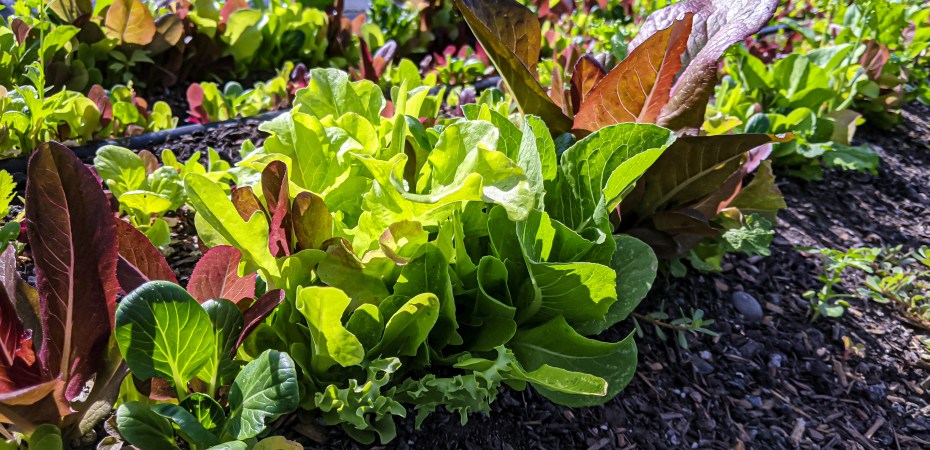
My new quarantine hobby of keeping plants on my home office windowsill for company has taught me a few things.
- One’s wellbeing has direct correlation to the needs being met by their environment.
- Signs of life can return if we correct the environment.
- People are not entirely unlike these silent, leafy friends.
I have been away from writing for a little while because I am also like a plant – needing the right environment to thrive and produce blog posts fruit. At the beginning of this year, I had been excited about a new work opportunity that seemed to offer a move upward with better pay. But I would soon find out that what it entailed was incredibly stressful, draining, and not what I had signed up for. In other words, the soil had more available nutrients, but the sunlight was oppressive with little rain. I was a wilting reflection of a poor environment (and maybe the nerve plant I underwatered).
I needed extra time to tend to my physical and mental health but found very little after long shifts. I lost energy to being yelled at over the phone, micromanaged in some ways, and ignored in others. I struggled to see the meaning and greater purpose of my efforts. Both my personal and professional productivity dropped; my house and work had both become messy. Throwback to my previous post: “There is no opportunity without potential windfall.”
Eventually I realized that this just wasn’t it. There was no balance in my life, and this position certainly wasn’t adding any value to my limited existence outside of work. I needed to change something and considered myself lucky for one key difference between myself and my succulents – I was not confined to a pot or tied down by deep roots. I could change my environment.
So I did. A brief 6 months later, and I am starting my fourth week in a new position that seems promising. I have already noticed a difference in my energy and well-being on top of having more free time. Balancing work and life is a core value of this team. I feel that I am being supported and given the tools I will need for success in more meaningful endeavors. The extra pay is simply the cherry on top.
In his book Peace is Every Step, Thich Nhat Hanh states: “When you plant lettuce, if it does not grow well, you don’t blame the lettuce. You look for reasons it is not doing well. It may need fertilizer, or more water, or less sun. You never blame the lettuce. Yet if we have problems with our friends or family, we blame the other person. But if we know how to take care of them, they will grow well, like the lettuce. Blaming has no positive effect at all, nor does trying to persuade using reason and argument. That is my experience. No blame, no reasoning, no argument, just understanding. If you understand, and you show that you understand, you can love, and the situation will change.”
Something as simple (or complex) as a career change is a great demonstration of this and example of showing yourself that love he mentions. If you understand how to take care of yourself, what you need to grow well, you can look for that wherever you go. You can show yourself that love and change your situation to allow yourself to thrive. Then you may even give that same love to others.
I don’t want to sound too much like an ad for a Ponzi multi-level marketing company so I’ll leave it at this: You deserve to grow and bloom and be cared for – like a plant. If your current environment is causing you to wilt, drop leaves, or otherwise droop like your mother’s forgotten philodendron, change it!
The best place to start, as always, is with the instructions. Seed packets will often list what kind of light and watering the plant will need, and compost helps just about everything grow. So what are your needs? How much light do you require? How often should you be watered? What can be added to the soil to make it nutrient-rich? What can be pruned and are there weeds to be pulled? Any pests that can be deterred?
Think about the things that bring you joy and help you feel your best: time outside (don’t forget that humans also need sun), friends, family, fulfillment, fun, and gratitude. Make sure you’re getting enough of these and reach out when you’re not. Get rid of the things that no longer serve you. Think about how you can change your environment to better suit your needs. Show yourself that love and empathy. Create an opportunity for yourself to grow.
Beneath all this, do your best to reserve judgment. Don’t place blame or associate shame with any of these needs or if they’re currently being met. Every plant grows best under their own unique conditions, just as everybody is different.
Hopefully as we go through this process with ourselves, we can start to see the same things in others. Extra water left in your watering can? Maybe give the neighbor’s vegetables a little. Bloom in such a way to attract pollinators that help everyone’s plants. Get rid of the weeds to keep them from spreading. Remember that a well-tended garden can feed a whole community. Cultivate love and joy.
I am excited for the simplicity that summer brings, and the chance to bounce back it will surely provide. Small pleasures like fresh produce from the farmer’s markets, sunshine, and community are some of the things that truly help me thrive. Having a profession that provides me with the time and resources to enjoy these things is priceless and I wish everyone could have the same.
Now is the time to be grateful and relish in the growing season before it’s gone.
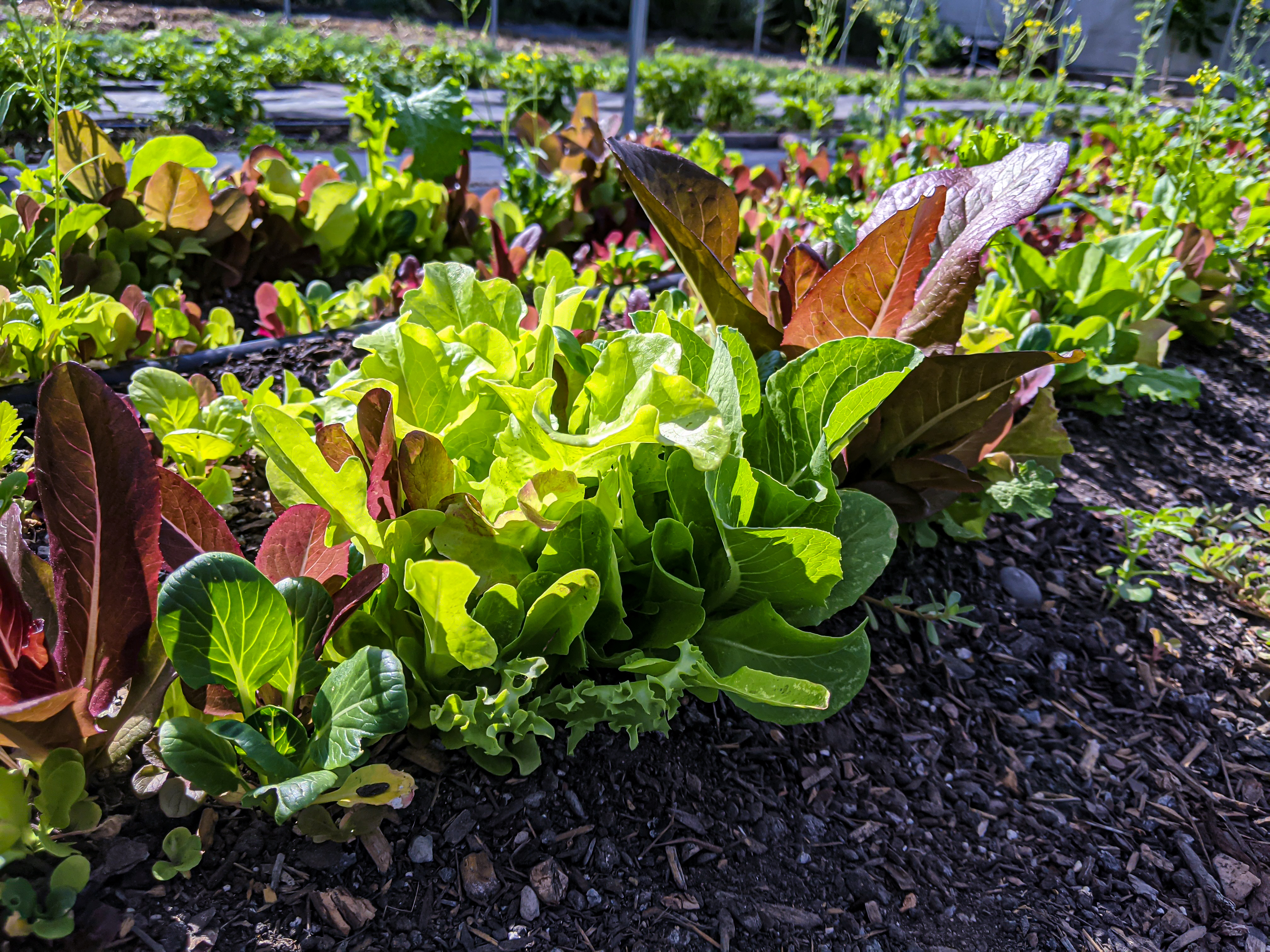
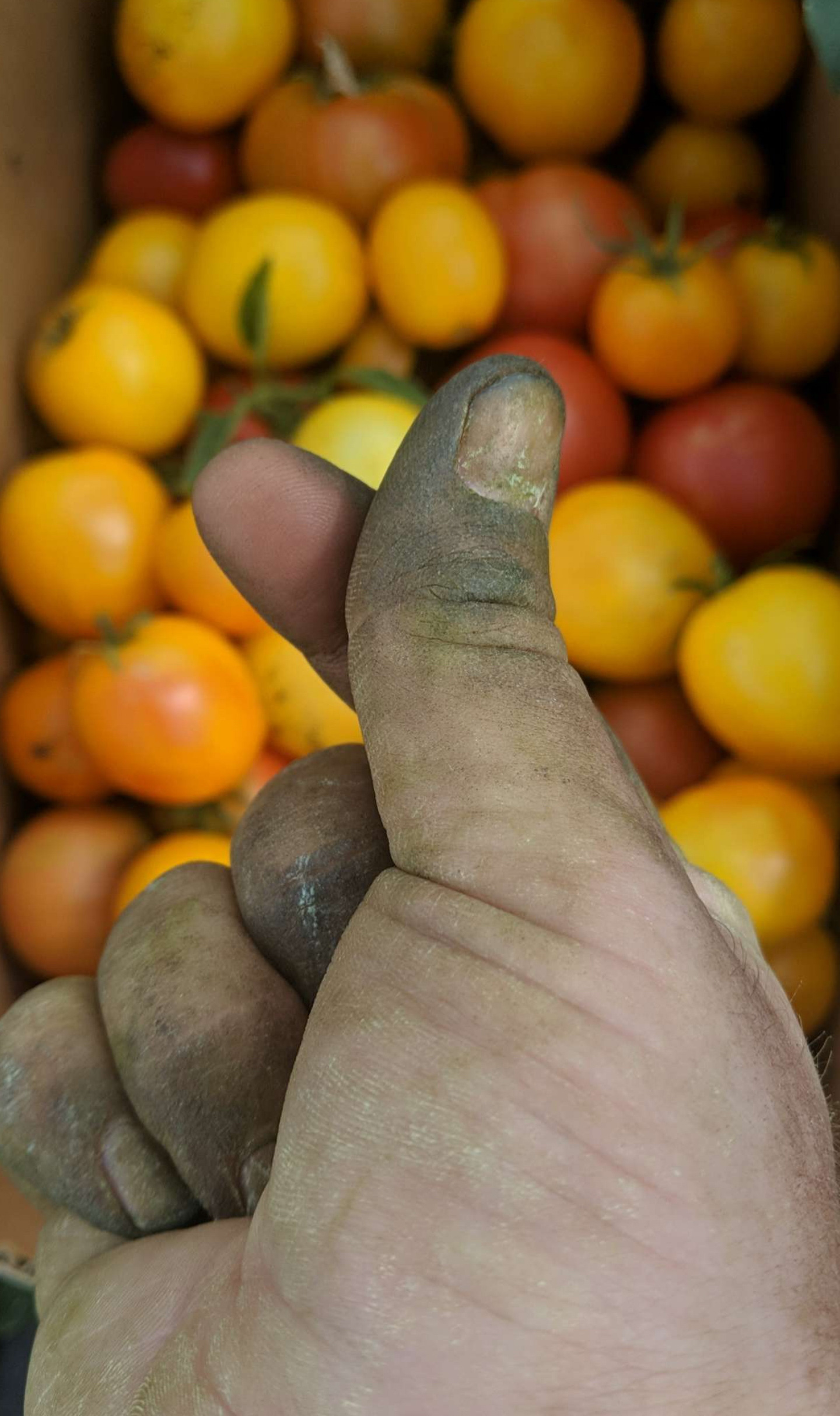
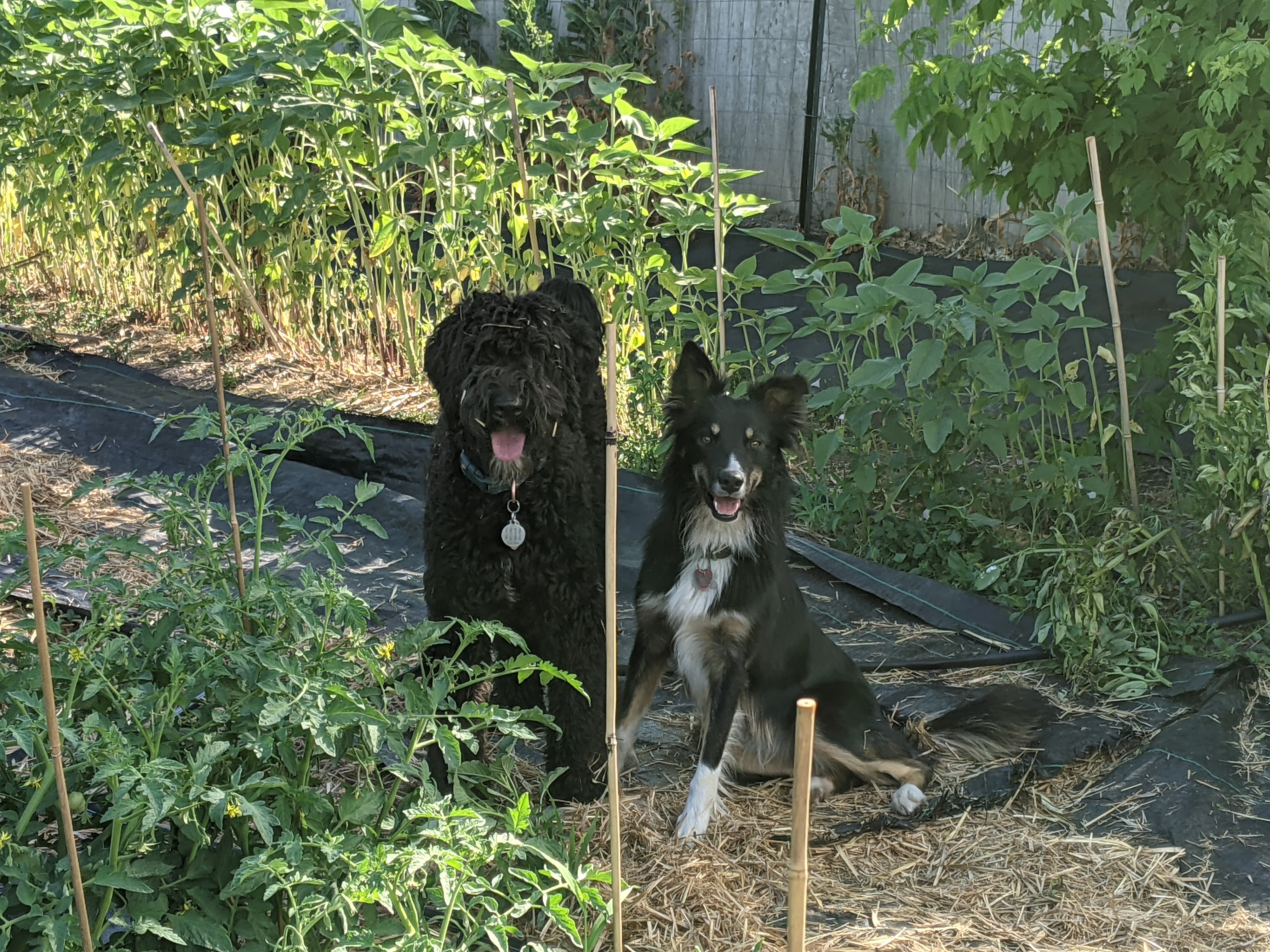
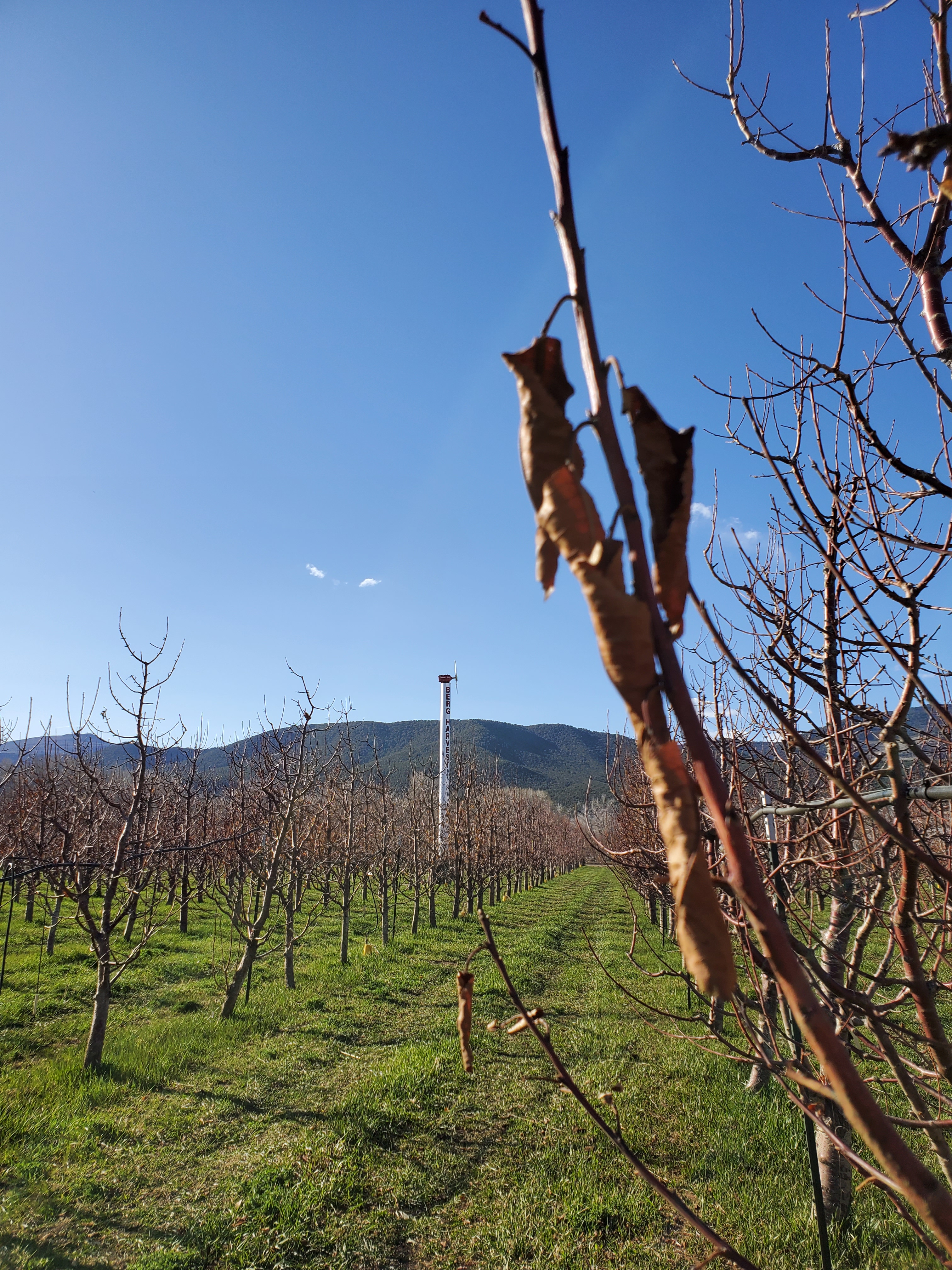
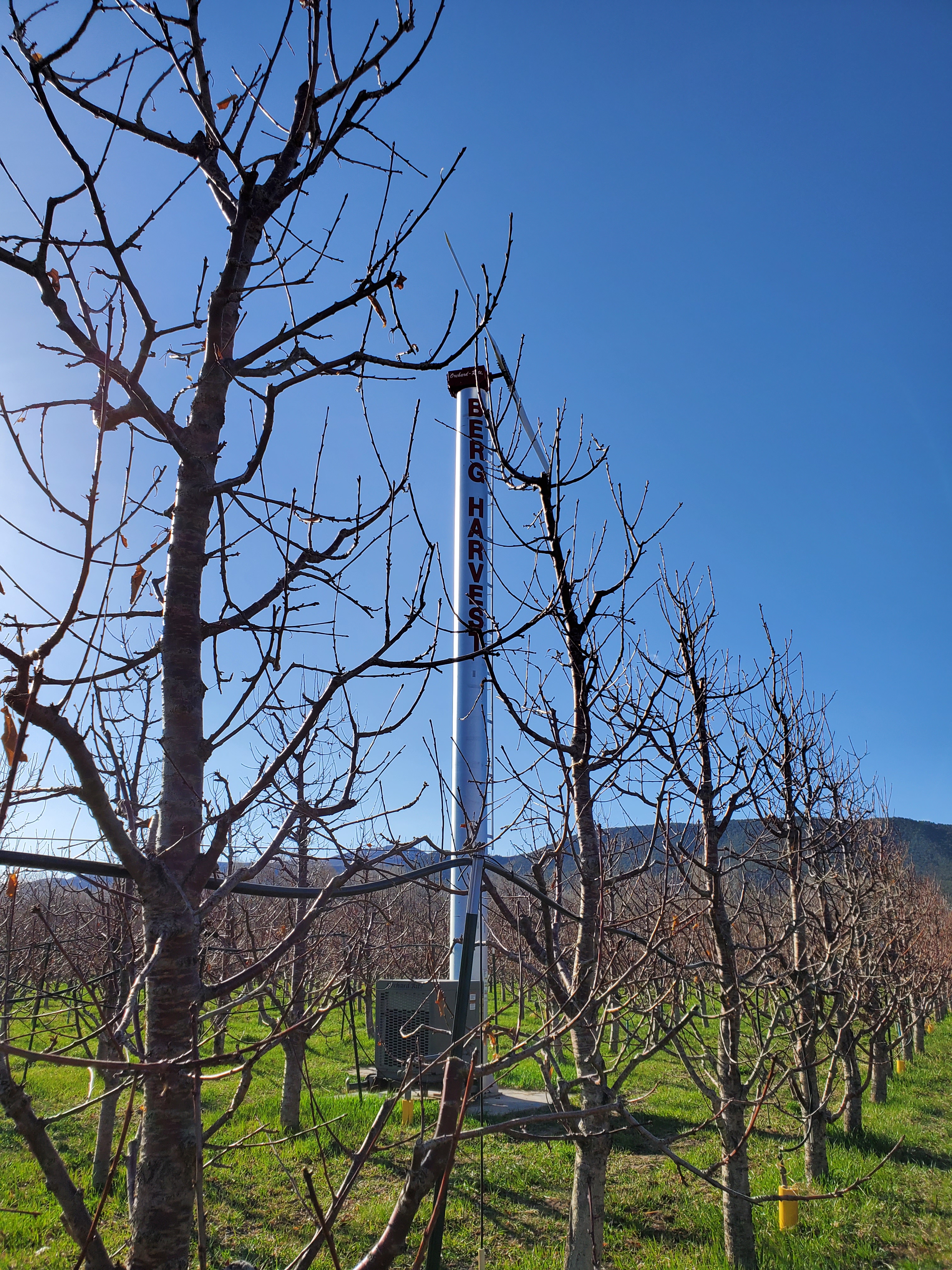
Credit for this post’s photo and special thanks for helping keep my office plants alive go to Grayson Hodge, my favorite botanist, for whom I am truly grateful. The farm featured is Borski Farms in Kaysville, Utah. See also: farm dogs Cache and Daisy. Bonus pictures of the Berg Harvest orchards in Paonia, Colorado.
 travelingpunk.com